
Eukaryotic conservation of the endolysosomal system
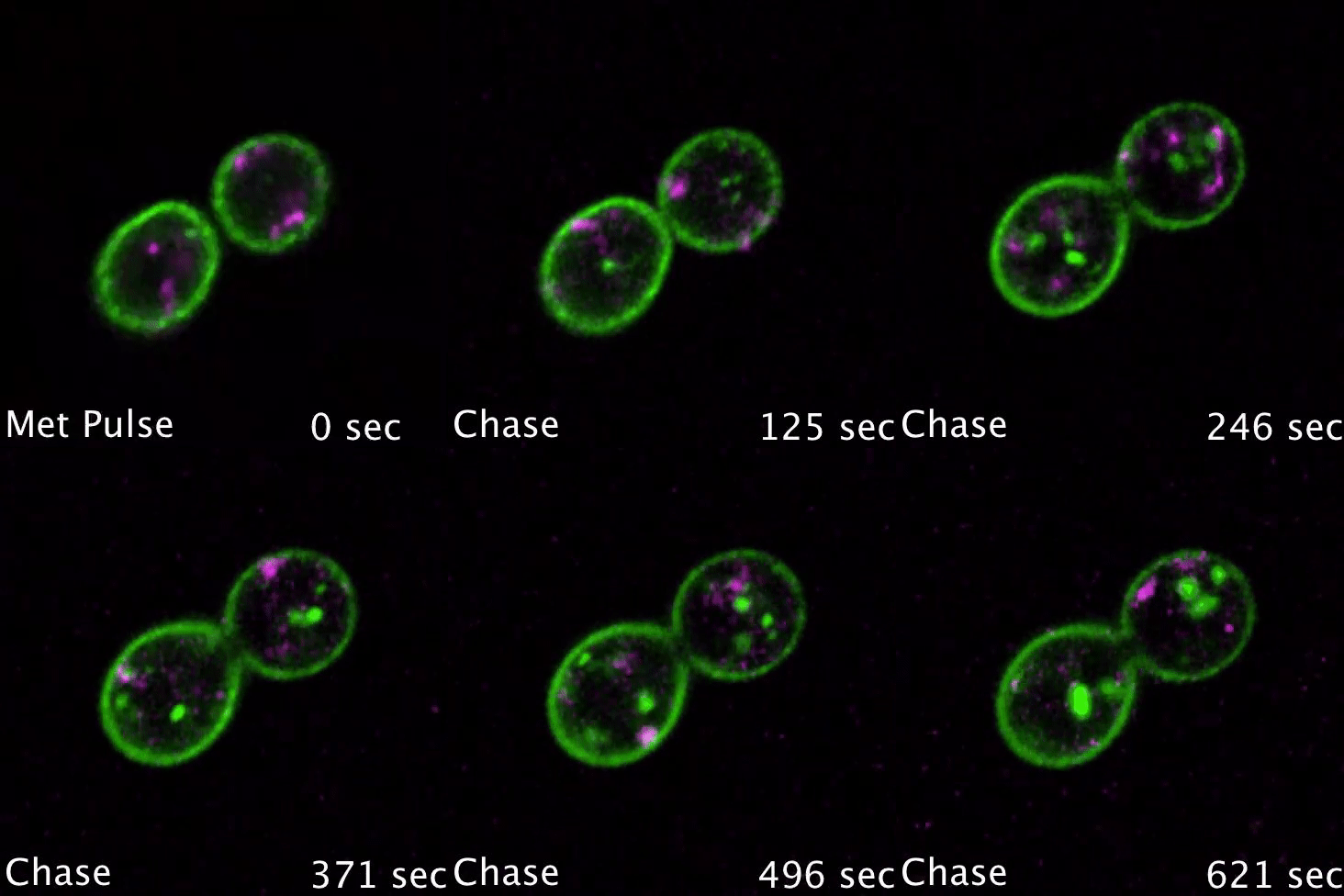
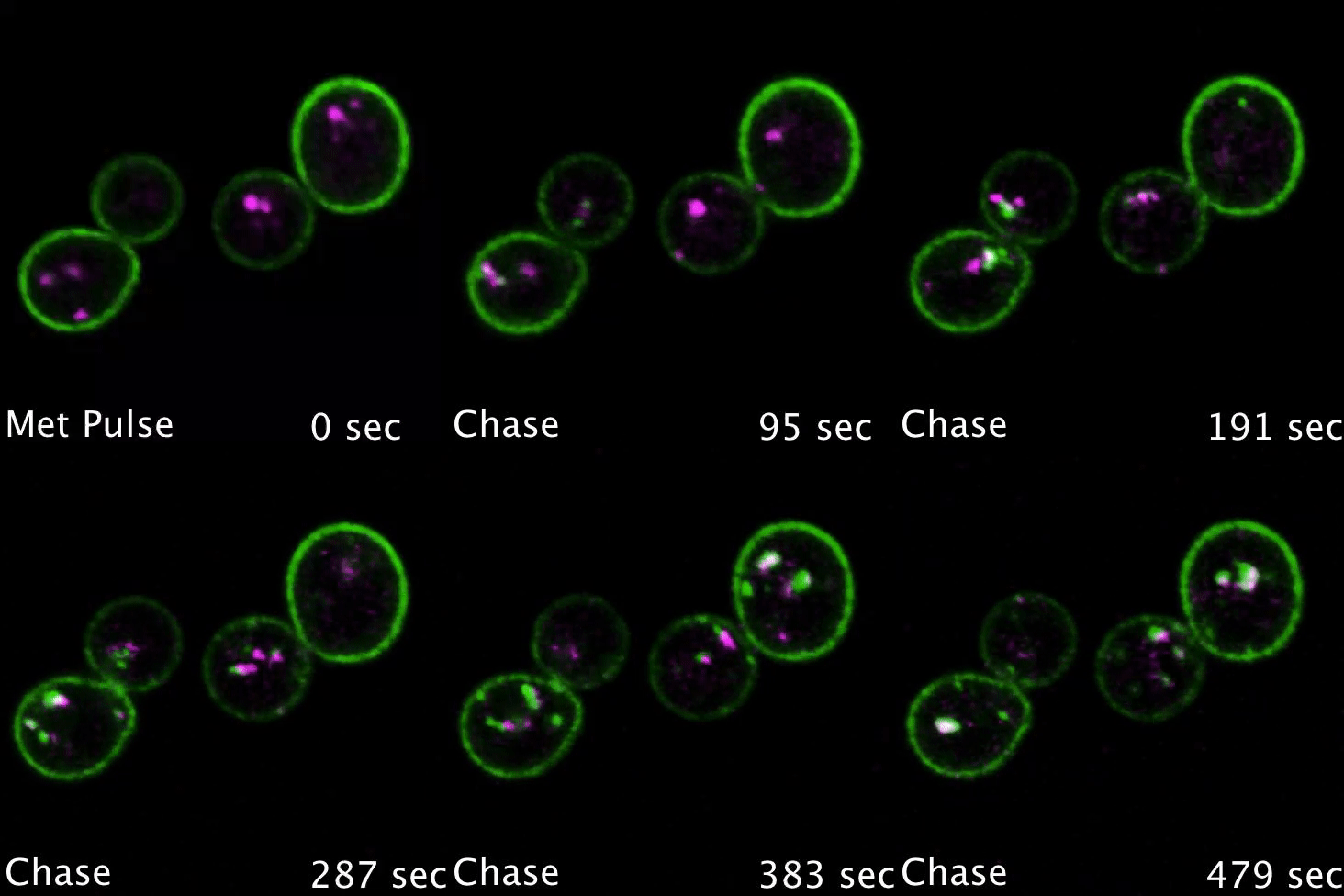
Super resolution microscopy coupled to microfluidics allows us to induce endosomal recycling of GFP tagged surface cargoes (green). Combining this with cells co-expressing organelle markers (magneta) for the trans-Golgi network (left) and the endosome (right) revealed th a trafficking pathway that bypasses the Golgi.
Mechanistic dissection of endolysosomal trafficking
Our screens have implicated many novel factors that control endolysosomal trafficking. We have a range of biochemical, biophysical and cell biological approaches that can be employed to understand how these factors regulate trafficking. Some examples are included below.
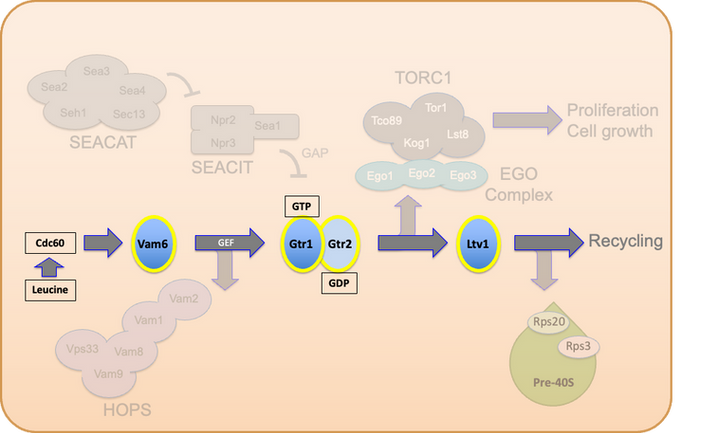
Our screen for recycling machinery revealed a role for the RAG GTPases (Gtr1 and Gtr2 in yeast) that is independent of their well described role regulating TORC1, suggesting multiple endolysosomal mechanisms synergise to control metabolism in response to nutritional cues.
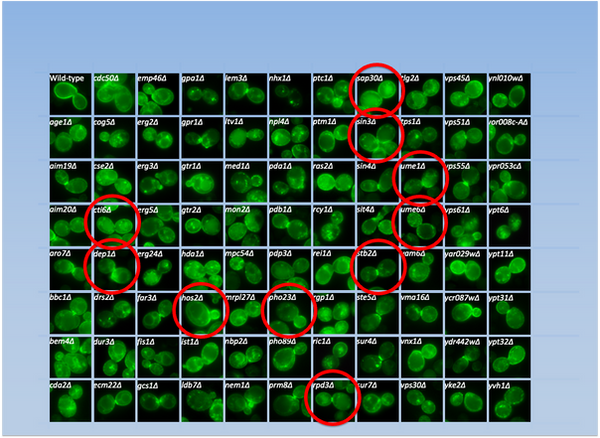
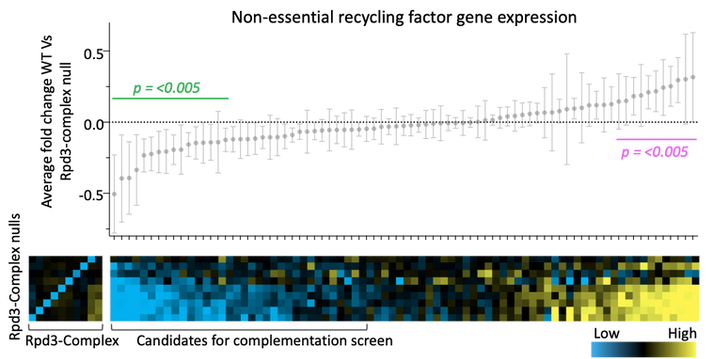
As 10 of our 89 recycling mutants were all part of the Rpd3 complex (upper), we performed a complementation screen to identify any recycling factors that were controlled at the transcriptional (lower). This study also performed bioinformatic analysis to reveal a crucial lipid kinase also regaultes the pathway.
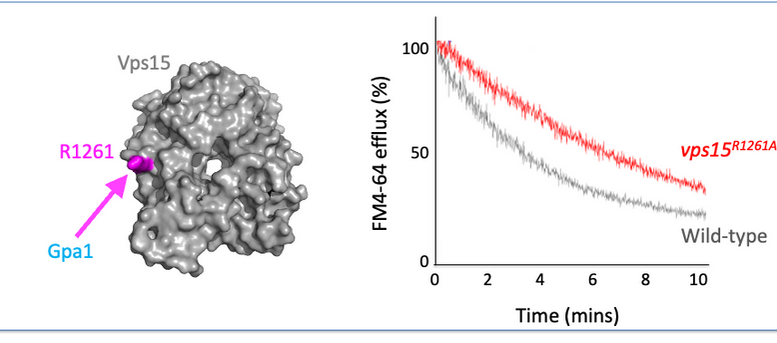
Our screens implicated the PI3-kinase effector protein (Gpa1) in endosomal recycling. We went on to show that efficient lipid organisation of the endolysosomal system coordinates cargo trafficking of internalised material back to the surface (and we revealed a metabolically induced inhibitory mechanism that sequesters Gpa1 at the surface when recyclined needs to be acutely attenuated.
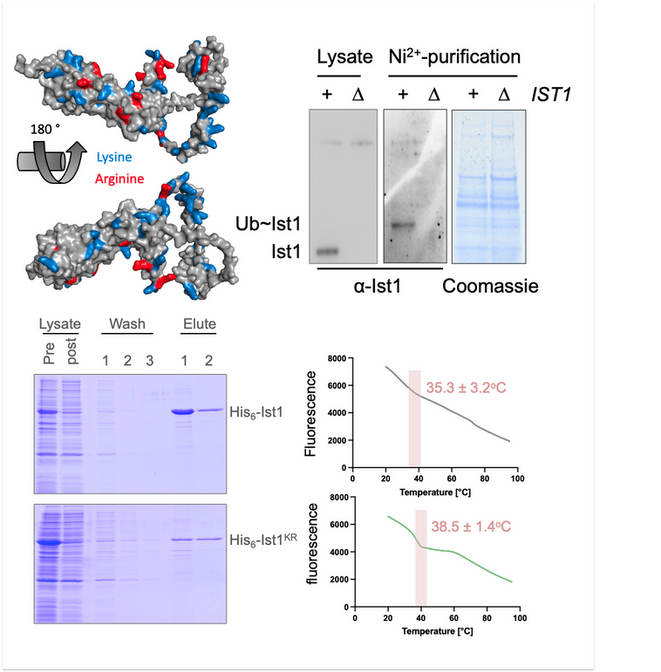
As the ESCRT-III protein Ist1 was shown to drive endosomal recycling in yeast, we were able to show endogenous Ist1 purified from yeast was ubiquitinated (upper) and a stable ubiquitin-less version (lower) was unable to function in endolysosomal trafficking.
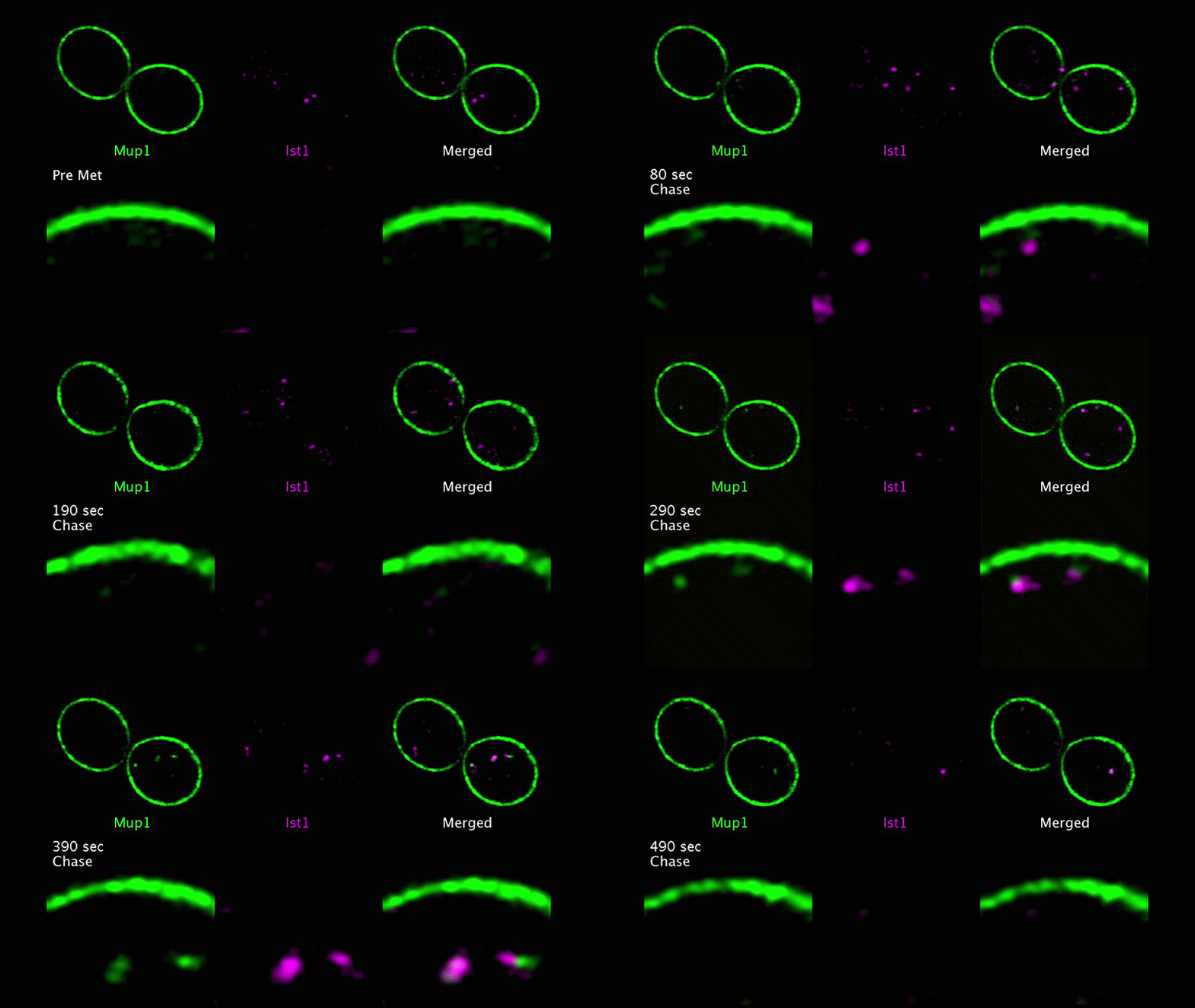
We can capture Ist1-mediated recycling in real time by super resolution microscopy. We went on to show that ubiquitination of Ist1, alongside the ATPase Cdc48 (aka p97 / VCP) and it's adaptor (also identified in our genetic screens) regulates endosomal recycling.
Read more: Laidlaw et al., J. Cell Bio. 2022.
The Buchberger lab later revealed a role for p97 / VCP in endosomal recycling in mammalian cells.

We have established different cell lines and molecular / fluorescence microscopy approaches to study some of these trafficking mechanisms in animal cells.